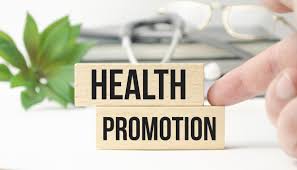
Epidemiology and Health Promotion
Nus 505 unit 10 Journal: can you put the talking point and I will do the recording
Provide a 3–5-minute Kaltura video presentation of your reflection on epidemiology and health promotion. Think back on any preconceived notions you may have held at the beginning of the course and compare to your understanding now, at the completion. How will you use this basis to further develop your knowledge? How are interprofessional resources; partnerships and collaboration necessary to protect vulnerable populations in general and in times of community health crisis. What unique roles might a master’s prepared nurse have in these situations. Consider also what you have learned about clinical guidelines development using epidemiological methods. How will you use this basis to further develop your knowledge? Summarize your learning and share any special insights.

Check out more on PowerPoint Presentation Writing Services
APA
Epidemiology and Health Promotion
Introduction and Initial Thoughts
At the beginning of this course, I had limited understanding of how epidemiology directly informs health promotion and nursing practice. I initially thought epidemiology was primarily about statistics and disease tracking, but I now recognize it as a powerful tool for improving community health and guiding evidence-based interventions.
Learning and Insights on Health Promotion
Through this course, I have learned how epidemiological data helps identify at-risk populations, predict health trends, and develop clinical guidelines that are practical and effective. Health promotion goes beyond education—it involves creating interventions that are data-informed, culturally appropriate, and accessible to all.
Interprofessional Collaboration and Partnerships
I have also come to appreciate the critical role of interprofessional collaboration, where nurses, public health officials, social workers, and policymakers work together to protect vulnerable populations, especially during times of community health crises such as pandemics or natural disasters. Partnerships between healthcare teams and community organizations enhance trust, resource distribution, and the overall effectiveness of…